


A 10-minute come-down
- Leave the input. One room, one light, phone face down. You cannot think your way out of too much signal.
- Name five things you can see, then four you can feel. Use the 5-4-3-2-1 guide if your mind is too loud to count.
- Put on brown noise or something equally boring. The point is a floor, not a playlist.
- Do not add a new task, a new video, or a new explanation. Recovery is subtraction.
This is self-help, not a diagnosis. Chest pain, fainting, or a first-time severe attack deserves a medical check — anxiety mimics serious conditions, and the other way around is also true.
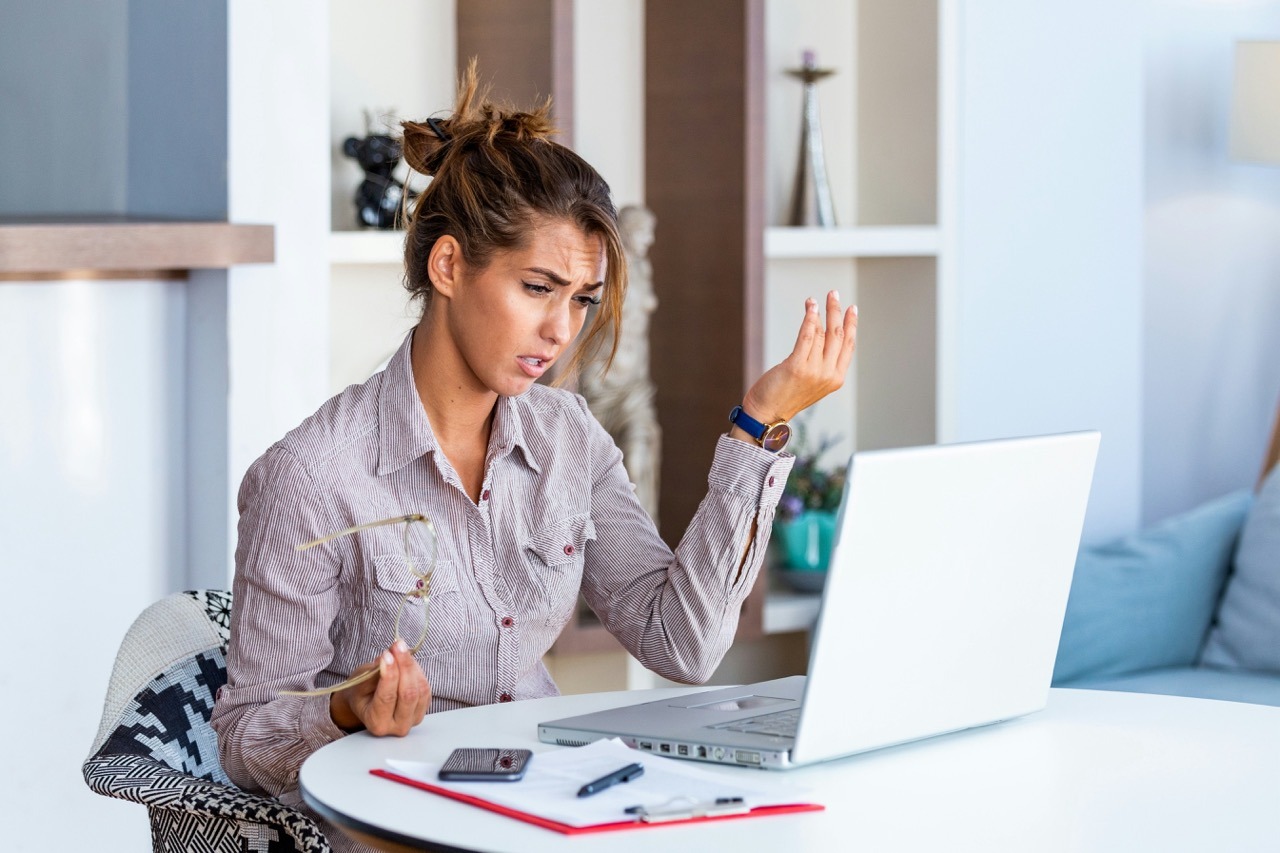
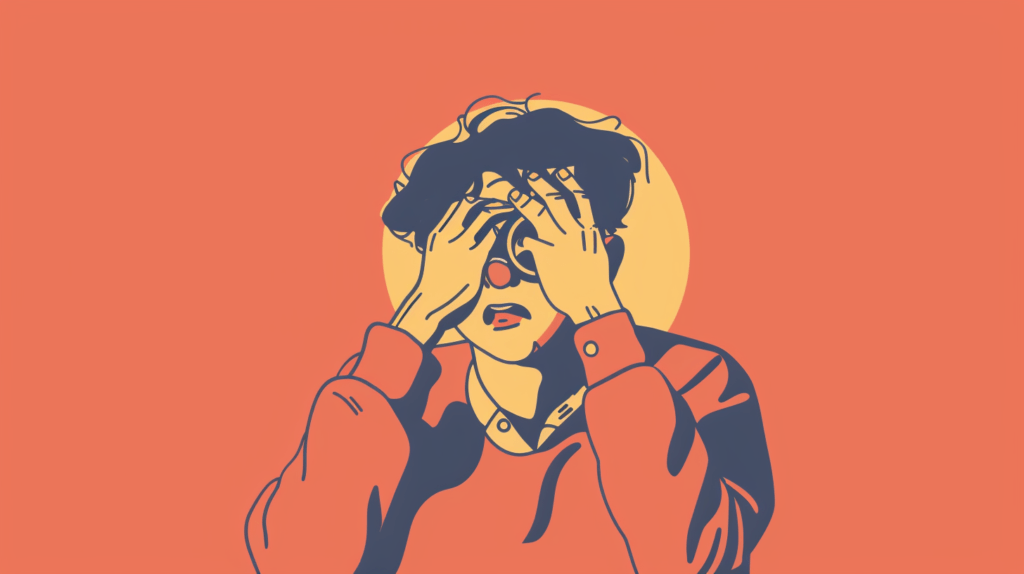
Overstimulation occurs when someone experiences more sensory input, stimuli, or information than they can manage. This can lead to stress, anxiety, difficulty focusing, and trouble making decisions. Overstimulation can affect anyone and may arise from various sources, such as noisy environments, crowded places, heavy workloads, or prolonged screen time.
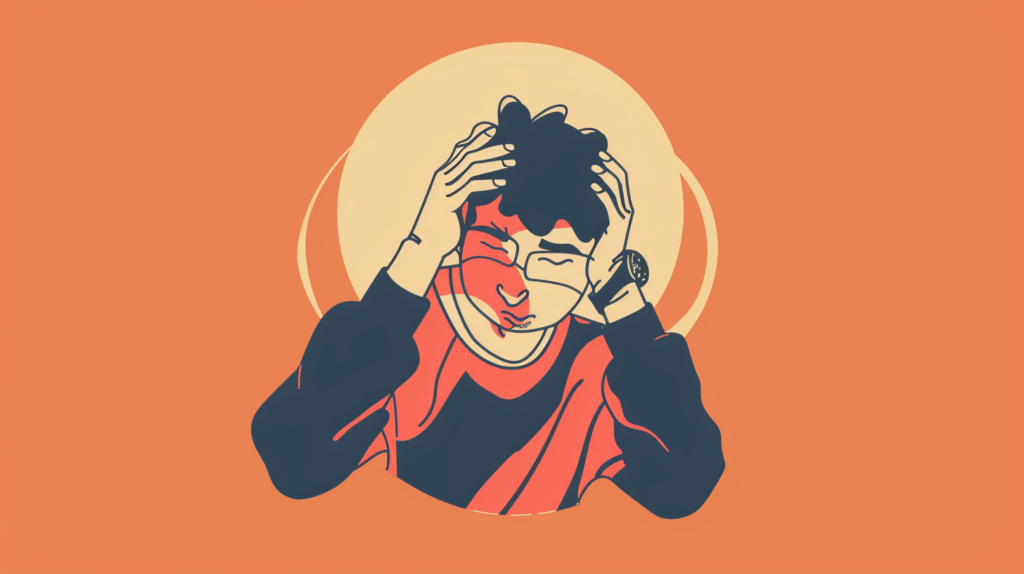
When there are too many stimuli, such as loud sounds, bright lights, or constant exposure to screens, it can overwhelm your senses. This makes it difficult to process information properly. This phenomenon is especially common in Highly Sensitive People (HSPs), a term popularized by Dr. Elaine Aron through her groundbreaking research. According to Aron, HSPs have a more sensitive nervous system, leading to stronger emotional, mental, and physical reactions to their environment.
Recognizing Highly Sensitive People (HSP)
Contrary to the negative view many people have about sensitivity, being a Highly Sensitive Person (HSP) is not something wrong. It means you process sensory details much more deeply and get overstimulated more easily. HSPs often have strong reactions to noise or bright light, feel intense emotions, empathize deeply with others, and get quickly stressed by multitasking. They often seek quiet time alone to recharge. Dr. Elaine Aron’s Self-Evaluation for Sensory Processing Sensitivity is a useful tool for those who think they may be HSPs (Aron, E. N., 1996).
Overstimulation Symptoms and Triggers
When there is too much stimulation, it can manifest in various ways, such as difficulty concentrating, irritability, anxiety, and physical symptoms like headaches or stomach issues. Highly Sensitive People (HSPs) and those with Attention Deficit Hyperactivity Disorder (ADHD) often experience these reactions. Modern lifestyles with excessive screen time and information overload contribute significantly to feeling overwhelmed. The ongoing pandemic has exacerbated this issue, as many people are increasingly reliant on digital devices, further heightening sensory overload.
Strategies for Managing Overstimulation
1. Reduce Time on Screens
To prevent overstimulation, reduce screen time with practical methods. Use features to monitor screen usage and designate no-screen periods, especially before bedtime, to improve sleep quality.
2. Make a Private Quiet Place
Create a quiet, comfortable space with fewer sensory distractions, such as soft lighting, minimal noise, and cozy furniture, to unwind and recharge.
3. Try Mindfulness
Practice mindfulness meditation, a quick grounding exercise, deep breathing exercises, and yoga to manage sensory responses and cultivate tranquility.
4. Establish Limits
Communicate your needs and set boundaries to manage stressful social settings and environments, planning for quiet times and peaceful spaces.
5. Calming Sounds
Listening to familiar, soothing sounds or music can buffer your senses and reduce the feeling of overstimulation.
A steady, low-frequency backdrop works well here — try brown noise or a crackling fireplace from Calmer’s free sleep sounds.
Final Words
If individuals recognize when they are becoming overstimulated and use effective coping strategies, they can better maintain their health, enhance work performance, and lead a more balanced life.
By including information from psychology, neuroscience, and mental health studies, we provide readers with a thorough understanding of overstimulation. This approach equips them with practical, science-based tools to manage sensory overload positively and effectively.
What overstimulation actually is
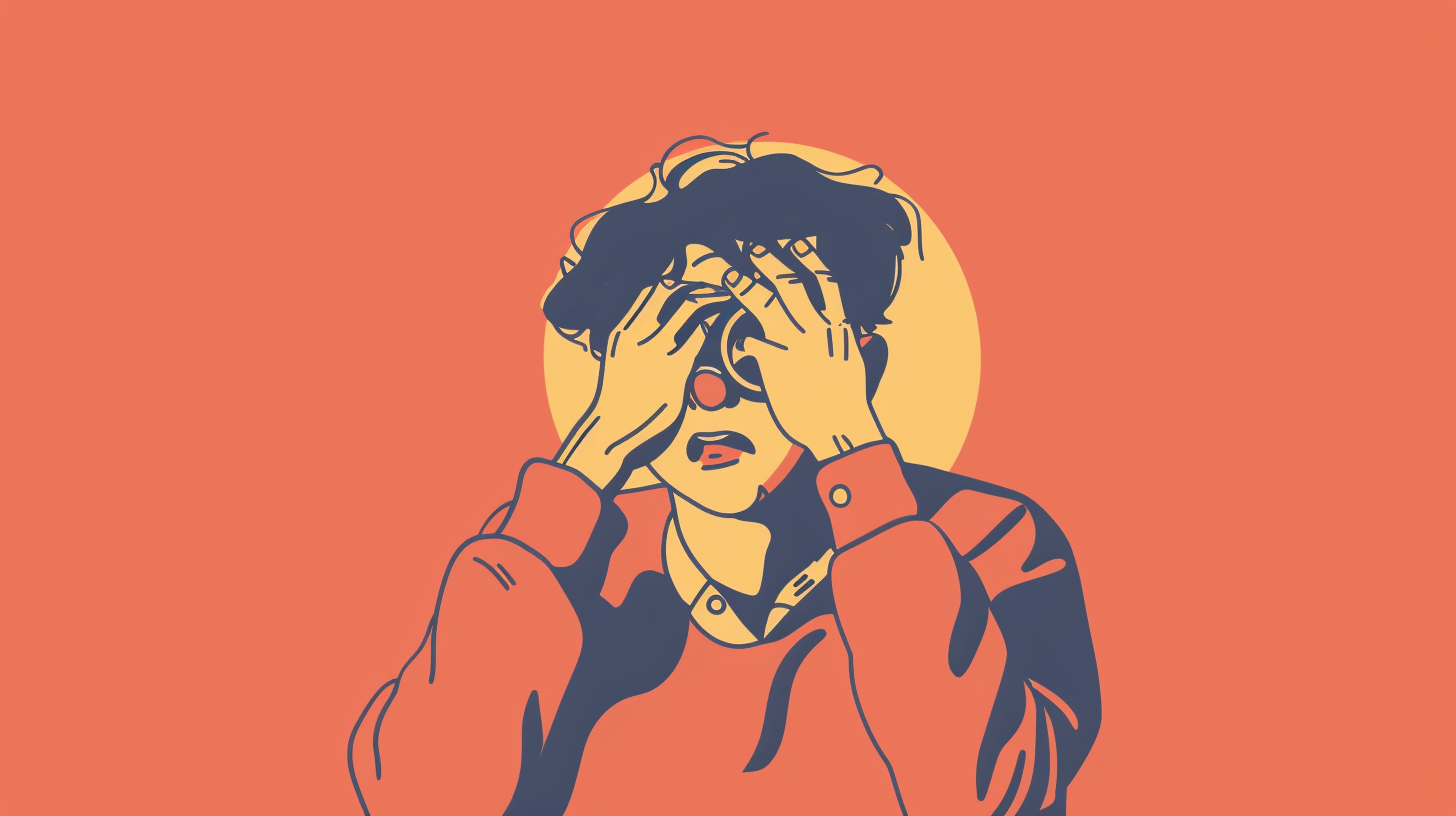
Overstimulation is what happens when incoming signal — sound, light, conversation, notifications, emotion — exceeds what your nervous system can sort in that moment. The result is not “being dramatic”. It is a body that starts to treat ordinary input as a pile-on: irritability, shutdown, tears, a need to leave, a brain that cannot pick a next step.
Anyone can hit it. A crowded train, an open-plan office, a day of back-to-back calls, a child crying while a podcast plays. People who are already anxious, tired, hungry, or recovering from a panic attack hit it sooner, because the filter is already using most of its budget on threat.
Overstimulation vs anxiety vs HSP vs ADHD
Anxiety is a threat prediction. It can cause overstimulation (you are scanning everything) and it can be caused by overstimulation (the pile-on feels like danger). They travel together; they are not the same word.
Highly Sensitive Person (HSP) is Elaine Aron’s term for a temperament that processes sensory detail more deeply. HSPs are not broken. They hit the ceiling faster in a loud room and recover faster in a quiet one. If that is you, the strategy is design — fewer inputs — not a personality overhaul.
ADHD often includes both under- and over-stimulation: boredom feels unbearable, and a busy environment becomes noise. Task paralysis after a flooded afternoon is common. If that pattern is your life, get an assessment rather than collecting labels from articles.
Hyperstimulation anxiety is the “stuck on” version — a nervous system that does not come back down for hours or days. We cover that separately in hyperstimulation anxiety so the two pages stop competing for the same query.
Signs you are overstimulated
- Sounds feel sharp. A tap, a notification, a laugh in the next room is too much.
- Lights feel aggressive. You want the dimmer, or a hat, or your eyes closed.
- You cannot finish a sentence, a task, or a decision.
- You snap, then feel ashamed of snapping.
- You want to leave the room, the chat, the relationship, the job — anything to stop the input.
- Your skin crawls. Clothes itch. You need to change, or shower, or sit in a parked car.
- Afterward you crash: tired, foggy, done for the day.
What to do that is not “just relax”
Subtraction first. One conversation, not three. Headphones that actually cancel. A closed door. A walk without a podcast. Eat something if you have not. Then a body tool — grounding, coherent breathing, or muscle relaxation — once the room is quieter. Tools fail when you try them on top of Slack, a TV, and a debate.
Longer term, treat overstimulation as a budget. You do not have an infinite one. Sensitive people who pretend they do spend the evening recovering from a life that would have been fine at 70% volume.
When to get help
If you cannot leave the house because the world is “too much”, if shutdowns are daily, or if you are using alcohol to turn the volume down, talk to a clinician. Overstimulation is common. It is also a feature of anxiety disorders, autism, ADHD, PTSD and burnout — and those are worth naming properly rather than coping forever with brown noise.
Try this on the page
Reading about it is optional. These are live tools — no signup.
- Grounding — One sense at a time is how you come down from too much input.
- Brown noise — A simple sound floor so the room gets quieter.
- Hyperstimulation anxiety — When the nervous system stays “on” for days, not minutes.